A Community Garden for Ecology, Food Production & Civic Engagement
Powered by the Service National de la Jeunesse in Luxembourg and the European Solidarity Corps
What is it about?
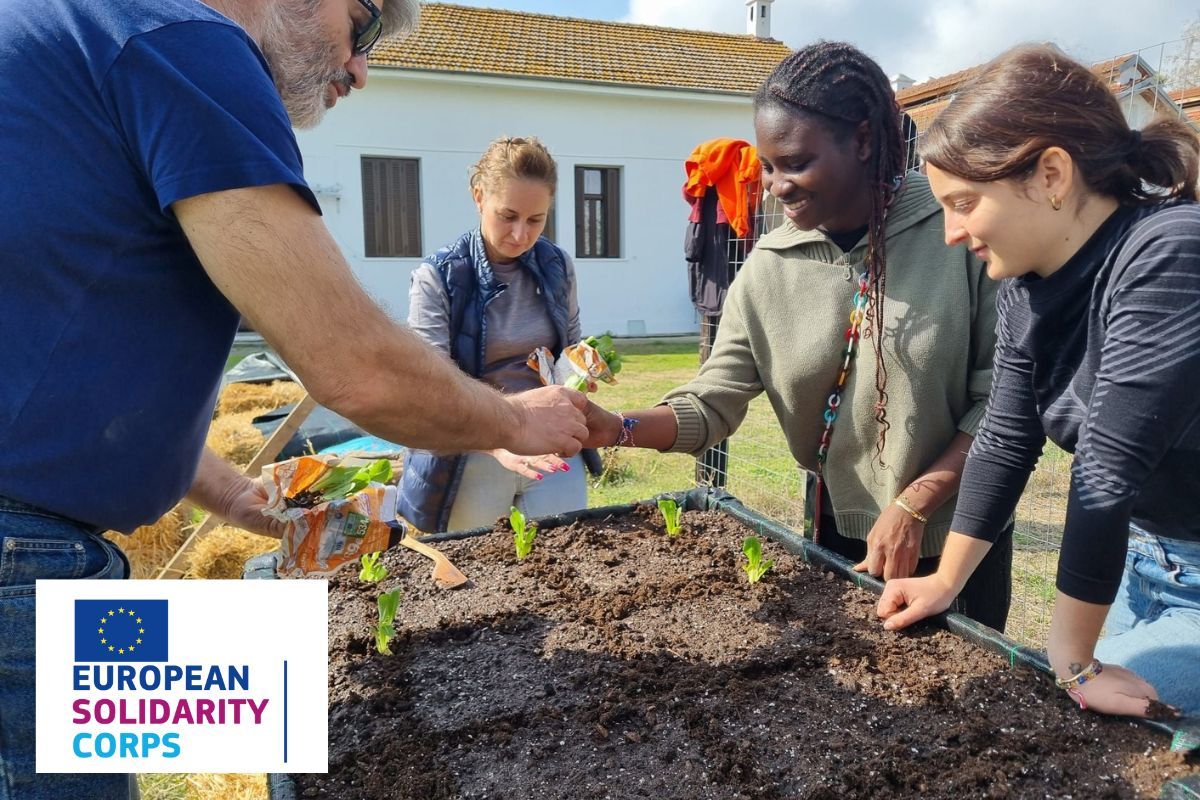
Starting with the first steps taken in 2023, Kapnikos Stathmos Katerini has been developing the Civic Ecology Garden as part of its broader effort to extend the stock of its social warehouses and to strengthen sustainable, community-based action. Making use of available green urban space, the project connects social solidarity with environmental responsibility and practical ecological practices.
The Civic Ecology Garden functions both as a productive garden and as an open community space. It supports the values of sustainability, reuse, and responsible food production, while offering hands-on involvement in activities such as planting, composting, soil care, water-saving techniques, and seasonal maintenance. Part of the garden’s output is linked to the organization’s solidarity actions, reinforcing the connection between ecology and social support.
At the same time, the garden serves as a learning and awareness-raising environment for volunteers and the local community. Through daily practical work, cooperation, and informal exchange, volunteers gain direct experience of how small-scale ecological initiatives can create measurable social and environmental impact. Moreover, it constitutes a practical and successful example of the reclamation of an abandoned public space by civil society, followed by its revitalization and adaptive reuse for social and community-based purposes. The project promotes active citizenship, solidarity, and sustainable lifestyles, while strengthening the relationship between people, nature, and the urban environment.
Where in Europe am I?
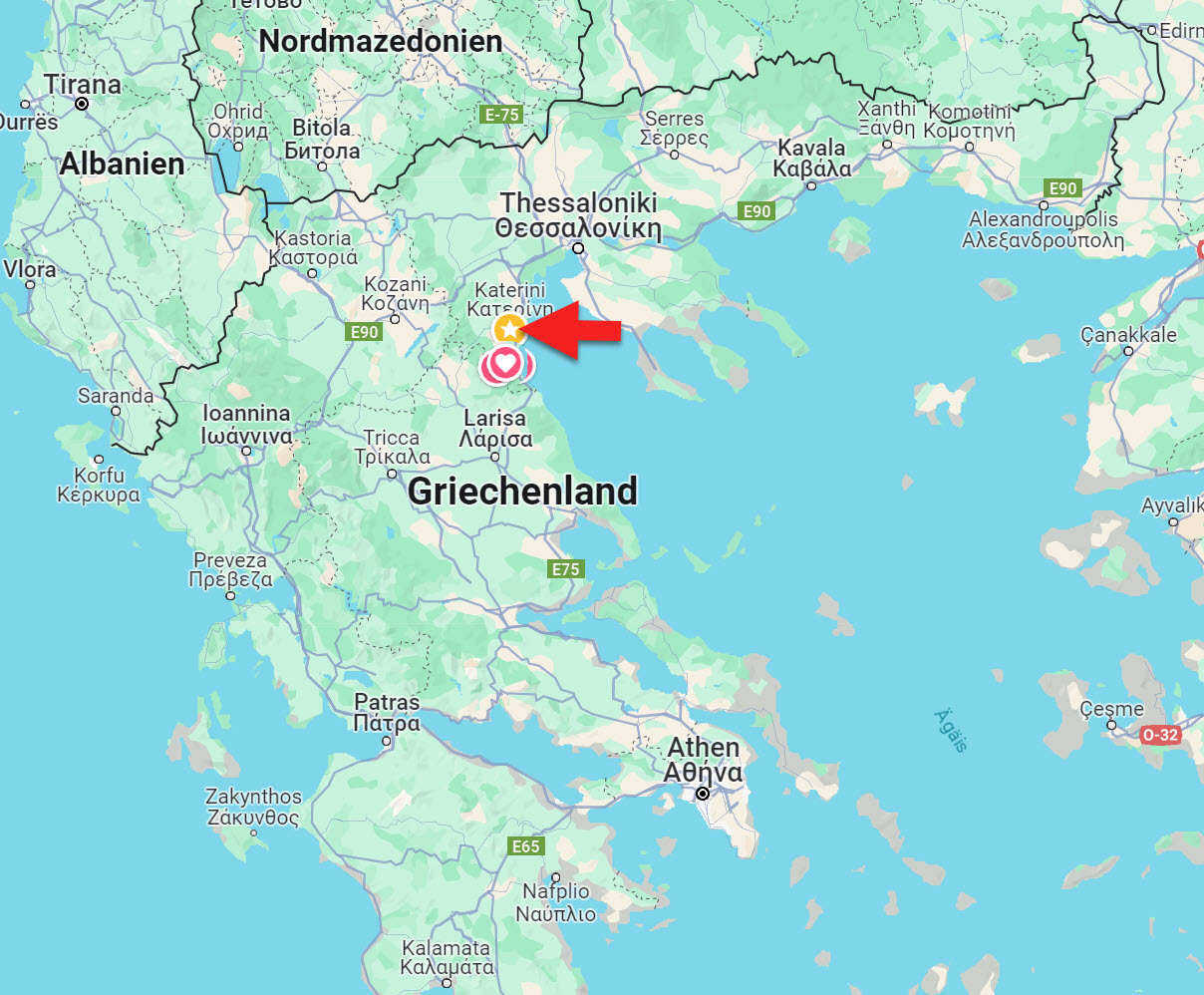
Kapnikos Stathmos Katerini is located between Greece’s highest mountain and the coastline of the Thermaic Gulf, in Katerini, Pieria. Within a single day, one can hike through the forests of Mount Olympus and later enjoy the nearby beaches of Plaka and Litochoro, ranging from sandy shores to quieter stone and gravel beaches. The blue-flag beaches of Paralia are also easily accessible by bus or bicycle from the project venue.
For those interested in culture and history, the Vergina Museum near Veria preserves the legacy of Philip II and Alexander the Great, while the monasteries of Meteora offer a unique blend of spirituality and architecture. The Dion Archaeological Park provides insight into the ancient worship of Zeus. Nearby Litochoro village serves as the gateway to Mount Olympus, and Thessaloniki offers a vibrant urban atmosphere with rich cultural life, museums, and nightlife.
Who is organizing it?
Kapnikos Stathmos Katerini (KSK) is an independent organization with roots dating back to 2007 when a citizens' initiative formed to address societal challenges. Since then, our volunteering group consistently initiated and executed projects and volunteering activities to raise awareness and support individuals in need, irrespective of their cultural, ethnic, or religious background.
After the economic hardships during the financial crisis prompted a need for more warehouse space, in 2011 we occupied and restored one of the few abandoned historical venues in our city: the former tobacco research institute Kapnikos Stathmos.
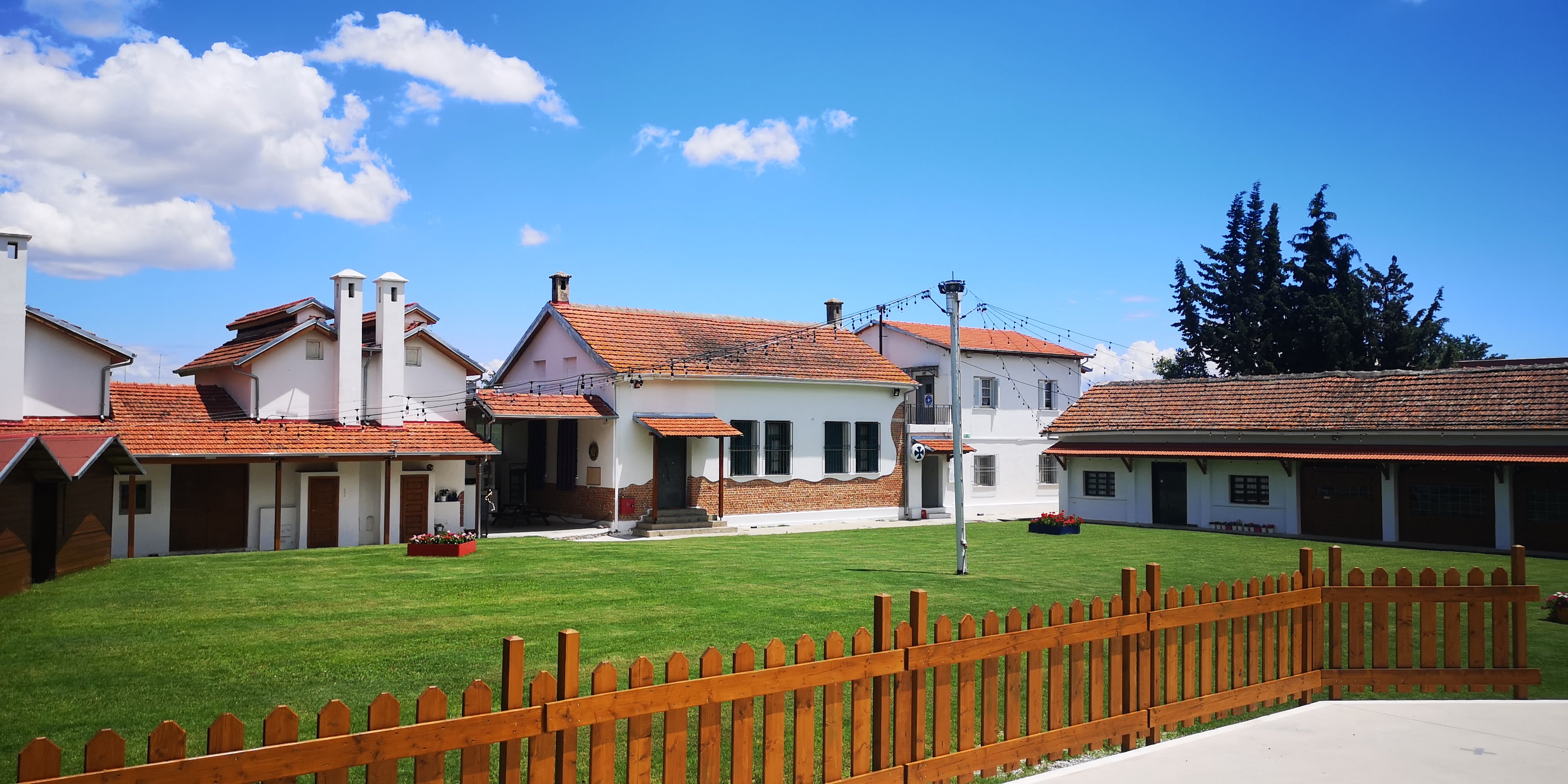
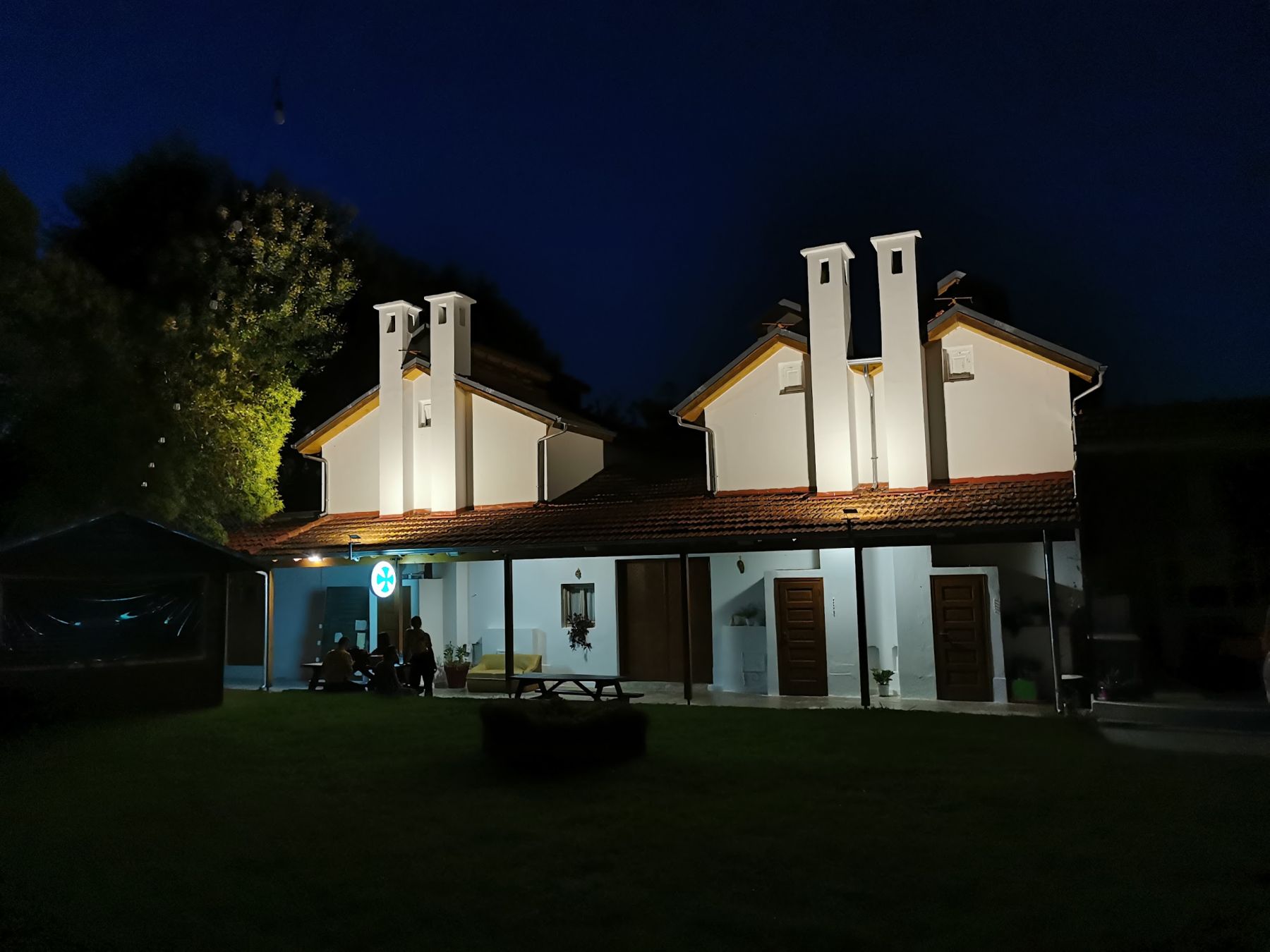
In 2019, recognizing the importance of formalizing our efforts, we established a non-profit organization and named it after the historical venue Kapnikos Stathmos Katerini (KSK). This organization has since been the ground and roof of various initiatives focused on environmental protection, social solidarity, and unconditional human rights, guided by core values such as social responsibility, cooperation, inclusion, and respect for individual rights and diversity.
KSK manages around 20 diverse projects, starting with our first core activity named "Giving a day of my summer to the forest," which aims to protect forests from wildfires with active involvement from local communities. Despite challenges, KSK operates independently of municipal or government support and continues to foster civil engagement, solidarity, volunteering, social inclusion, and environmental protection.
Through our work, we bridge different societal groups and cultural entities, striving to enhance societal cohesion and address pressing challenges such as climate change and economic disparities. Our commitment to shared European values of equality and human rights contributes to peace and solidarity within the European Union.
Who can participate?
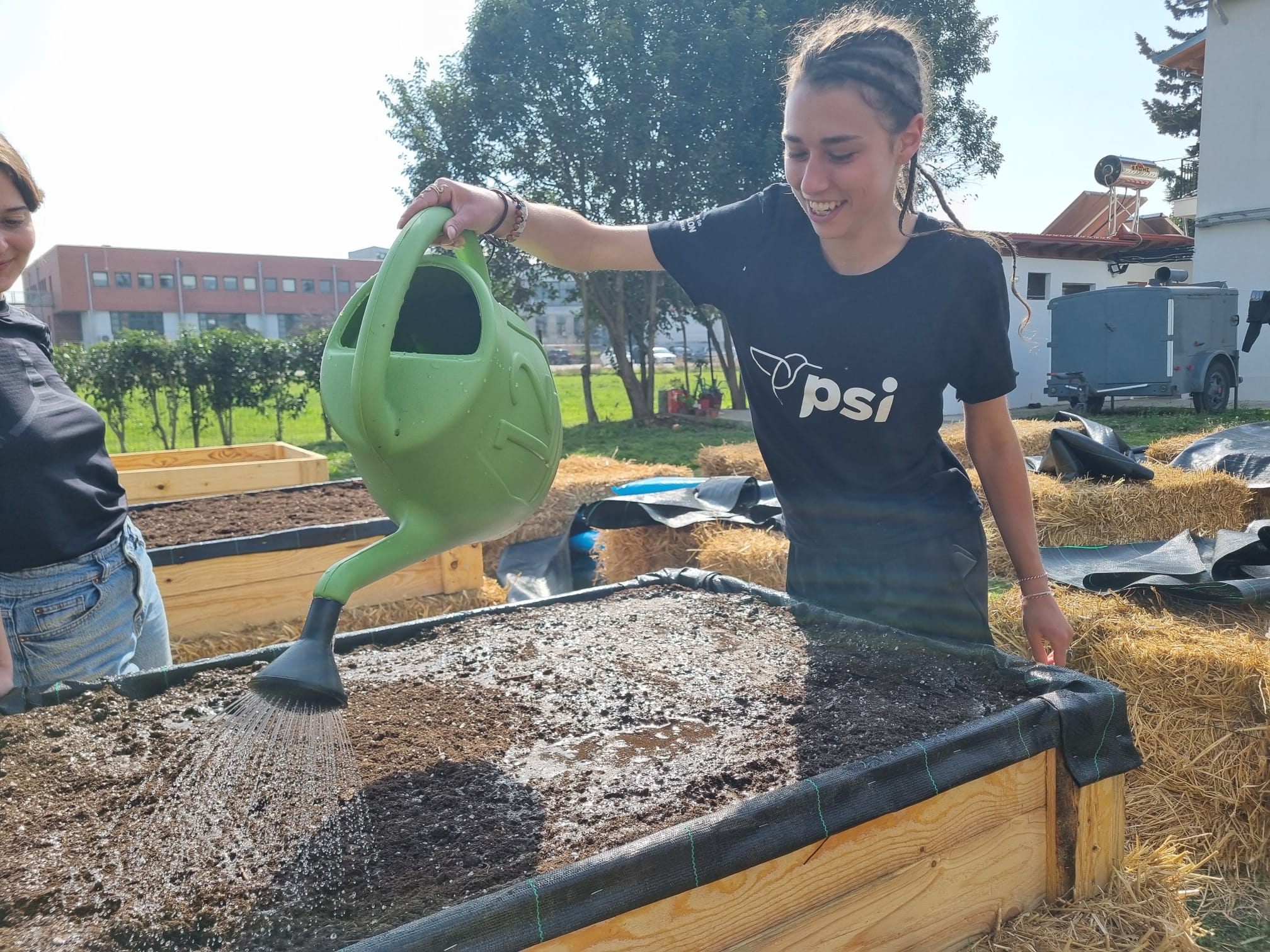
If you enjoy teamwork, aren't afraid of hard work, and eager to make a meaningful contribution, this opportunity is perfect for you! We are seeking motivated individuals who thrive in a team setting and appreciate being part of a diverse community.
While spare time is important for building connections with fellow volunteers and the local community, working hours are dedicated to focused, productive tasks. This project involves hands-on activities outside, so you’ll need to be ready for physical work that might leave you a bit dirty or tired, but ultimately very fulfilled.
Respecting rules and boundaries of peers and of the host is key to ensuring a safe, enjoyable experience for everyone involved!
What are the exact dates of the activity?
This activity will be implemented in three separate teams:
The first team will run from 17 February to 09 April, with 16 February and 10 April designated as travel days.
The second team will take place from 21 April to 11 June, with 20 April and 12 June as travel days.
The third team will be implemented from 22 September to 12 November, with 21 September and 13 November as travel days.
Additional travel days apply in the case of green travel (Bus, train etc.).
How is it organized / What do I do?
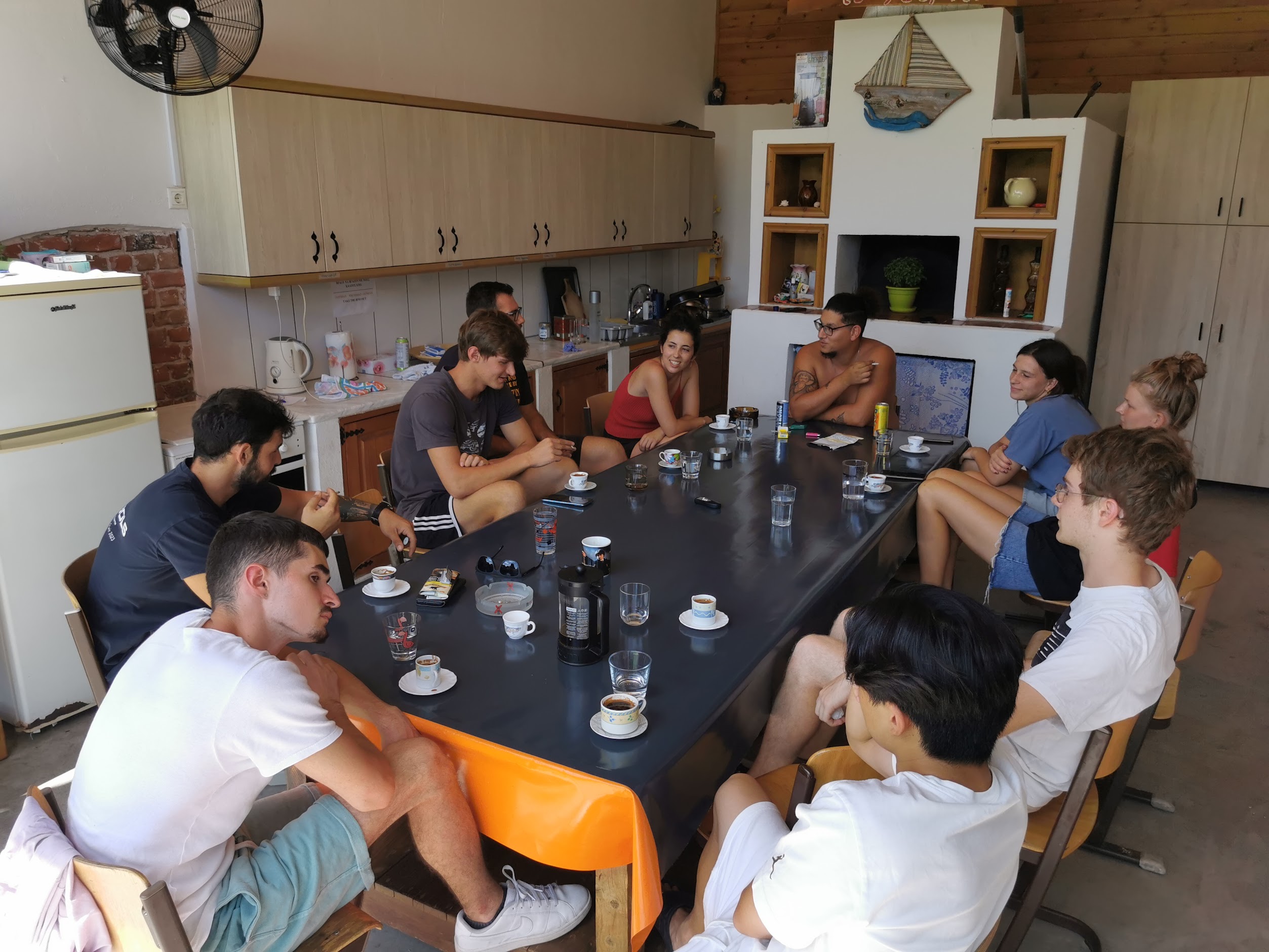
At Kapnikos Stathmos Katerini, volunteer work is organized within a vibrant living community. All tasks, events, and special dates are discussed and assessed at the community table, both metaphorically and literally, with the weekly plan displayed on the community board. This inclusive approach ensures that all volunteers, regardless of their specific roles, are interconnected and adaptable to the community's needs and involved and aware of the bigger picture.
Volunteers from the Civic Ecology Garden also support other solidarity activities such as the Social Goods Distribution or the Social Pharmacy, and vice versa. All participants contribute to the upkeep of the facilities and the well-being of the community.
When and how many hours do I work?

The working week runs from Monday to Friday with Saturday and Sunday being task-free. Additional to the weekend, everyone has an extra two vacation days that can be chosen accordingly.
08:30-09:00 Breakfast
09:00-11:00 Working phase
11:00-11:30 Break
11:30-13:30 Working phase
13:30-14:30 Lunch
14:30-16:30 Working phase
16:30-21:00 Free
21:00-22:00 Dinner
What’s the weather like?
Katerini enjoys a Mediterranean climate characterized by hot, dry summers and mild, wet winters. During the summer months, temperatures often rise above 30°C, with plenty of sunshine and minimal rainfall. Winters are relatively mild, with temperatures rarely falling below 5°C. The majority of the annual precipitation occurs during this season, bringing cooler and wetter conditions. The rather pleasant weather year-round makes Katerini an inviting destination for both residents and visitors.
Will I need special clothes?
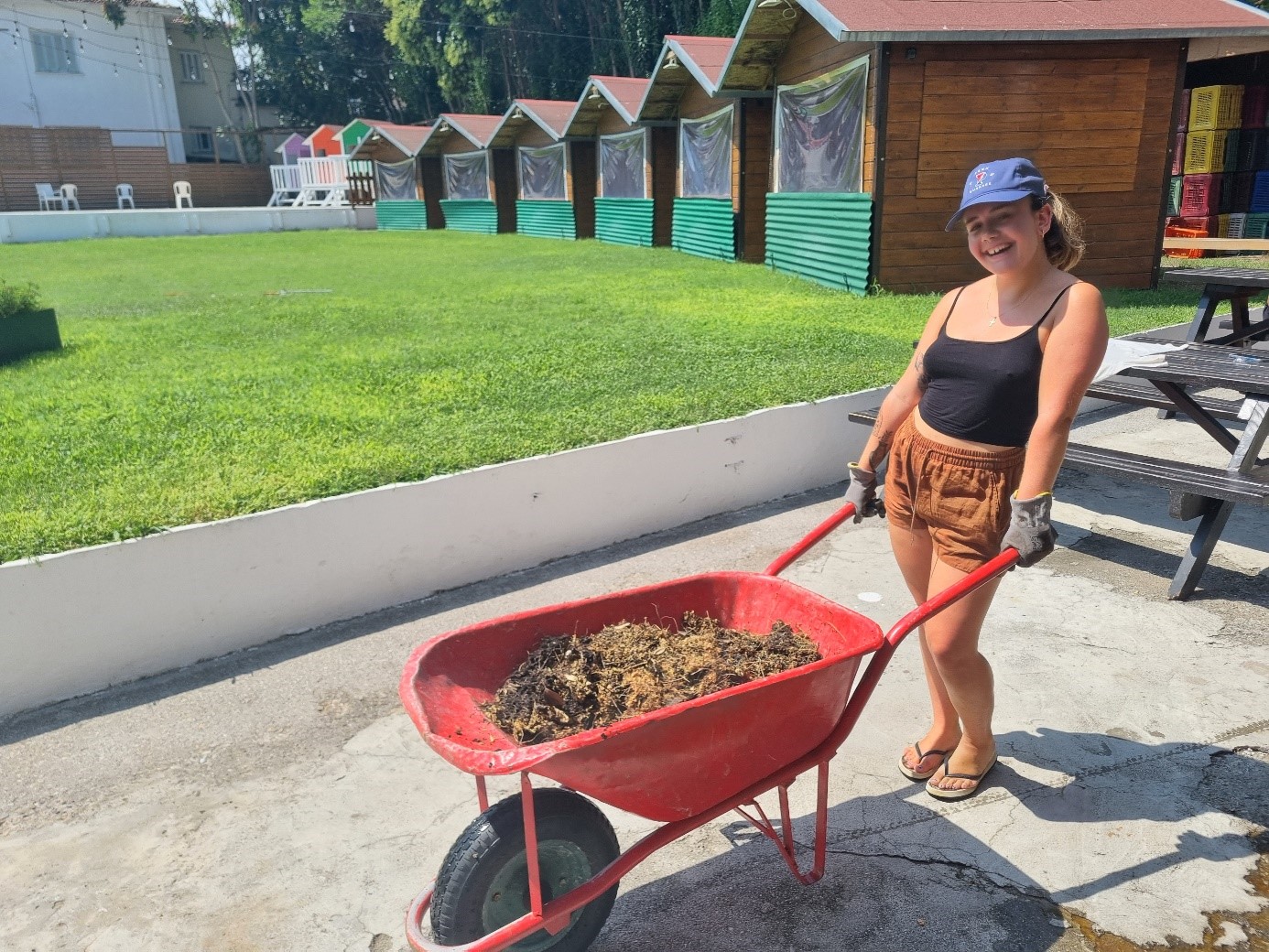
There is no need for special clothes, we encourage everyone to wear what he or she feels comfortable in. As many tasks involve outdoor and gardening activities, participants should bring practical clothing that can withstand getting dirty.
Nevertheless, we strongly suggest to include optional swimsuits for the beach if traveling in summer and warm jackets if in winter, but in any case: stable shoes for hiking in the mountains.
Do I have to take something like bed sheets or my laptop from home?
Everything related to accommodation will be provided by us, meaning that neither towels nor bedsheets have to be taken from home. The same goes for shampoos, soap and other basic goods.
Participants may choose to bring their laptop for their spare time or to use it for some of the tasks, but it is totally optional.
Can I wash my clothes there?
Every volunteer will have free access to our washing machine on site and plenty of space to dry the clothes. The cleaning agents will also be provided by us for free.
Where will I sleep?
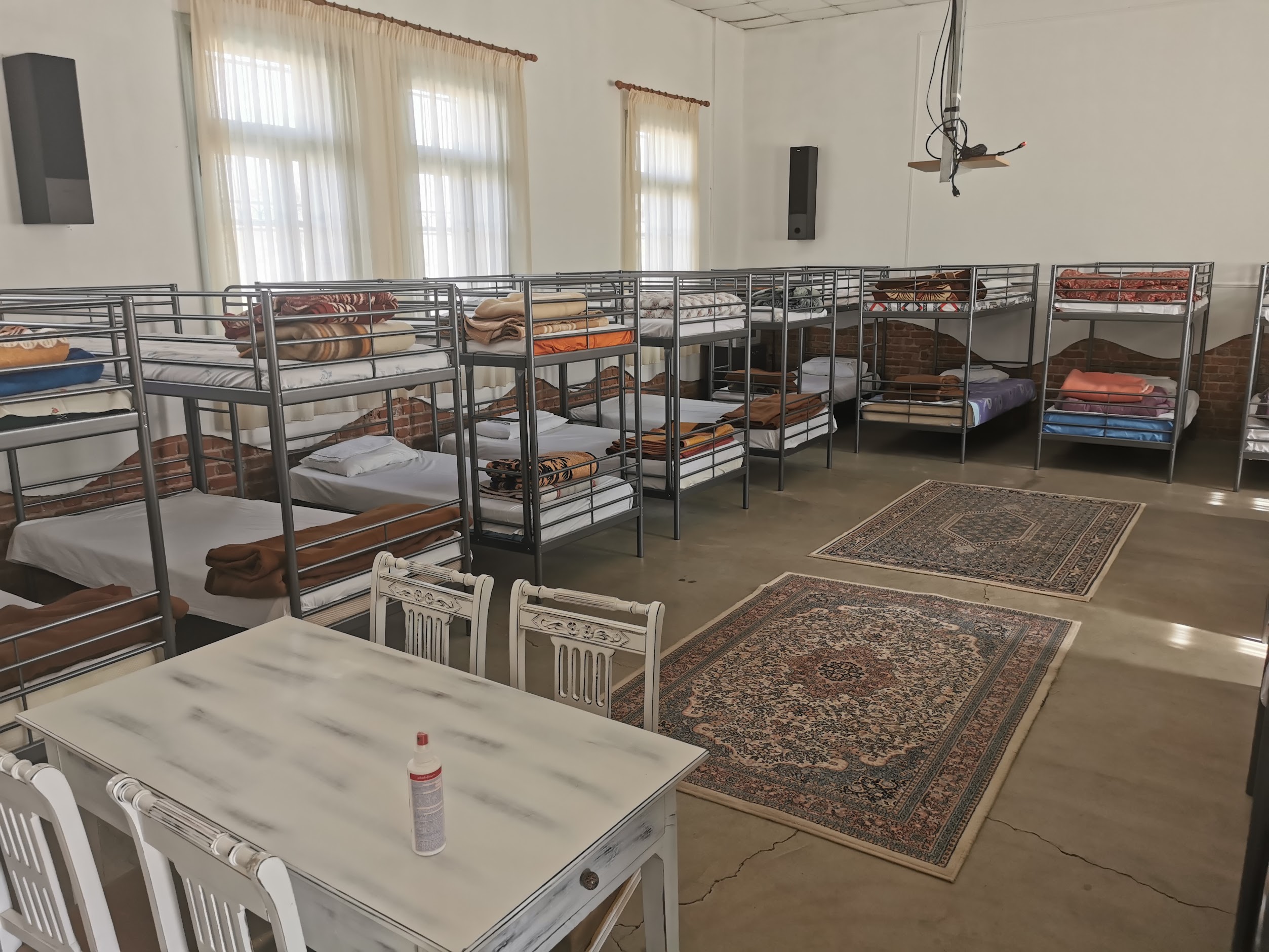
All participants are accommodated in the volunteering apartments located on the project venue. The apartments include three spacious bedrooms of 14 m² each, furnished with bunk beds and accommodating up to four people per room. Each bedroom is equipped with closets and all essential furnishings for comfortable daily living.
The apartments also feature a kitchen and a private bathroom, and benefit from central heating, ensuring a warm and comfortable environment throughout the year. Renovated in 2022, the buildings were upgraded with new insulation to improve energy efficiency and overall comfort. In addition, modern sanitary facilities with hot water are located nearby for everyday use.
How about sanitary facilities?
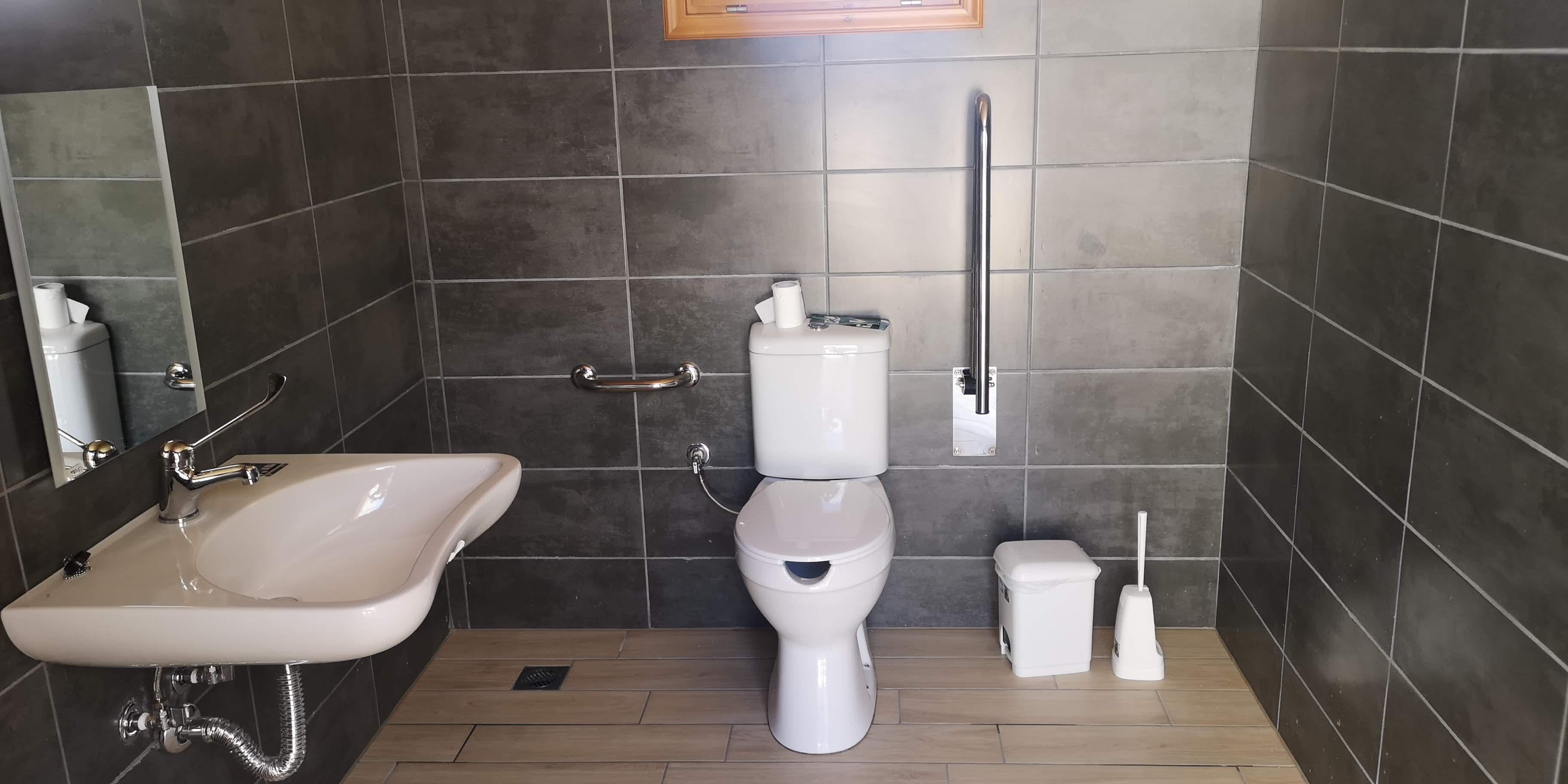
In addition to the bathrooms located inside the apartments, the main sanitary facilities with hot water are situated right next to the accommodation area and are used for daily needs. Built in 2019 and expanded in 2022 with four individual shower rooms, the facilities provide comfort and privacy. They include separate bathrooms for men and women, each with multiple toilets, as well as a total of five shower rooms, ensuring sufficient availability even during busier times.
What will I eat and who is preparing the food?
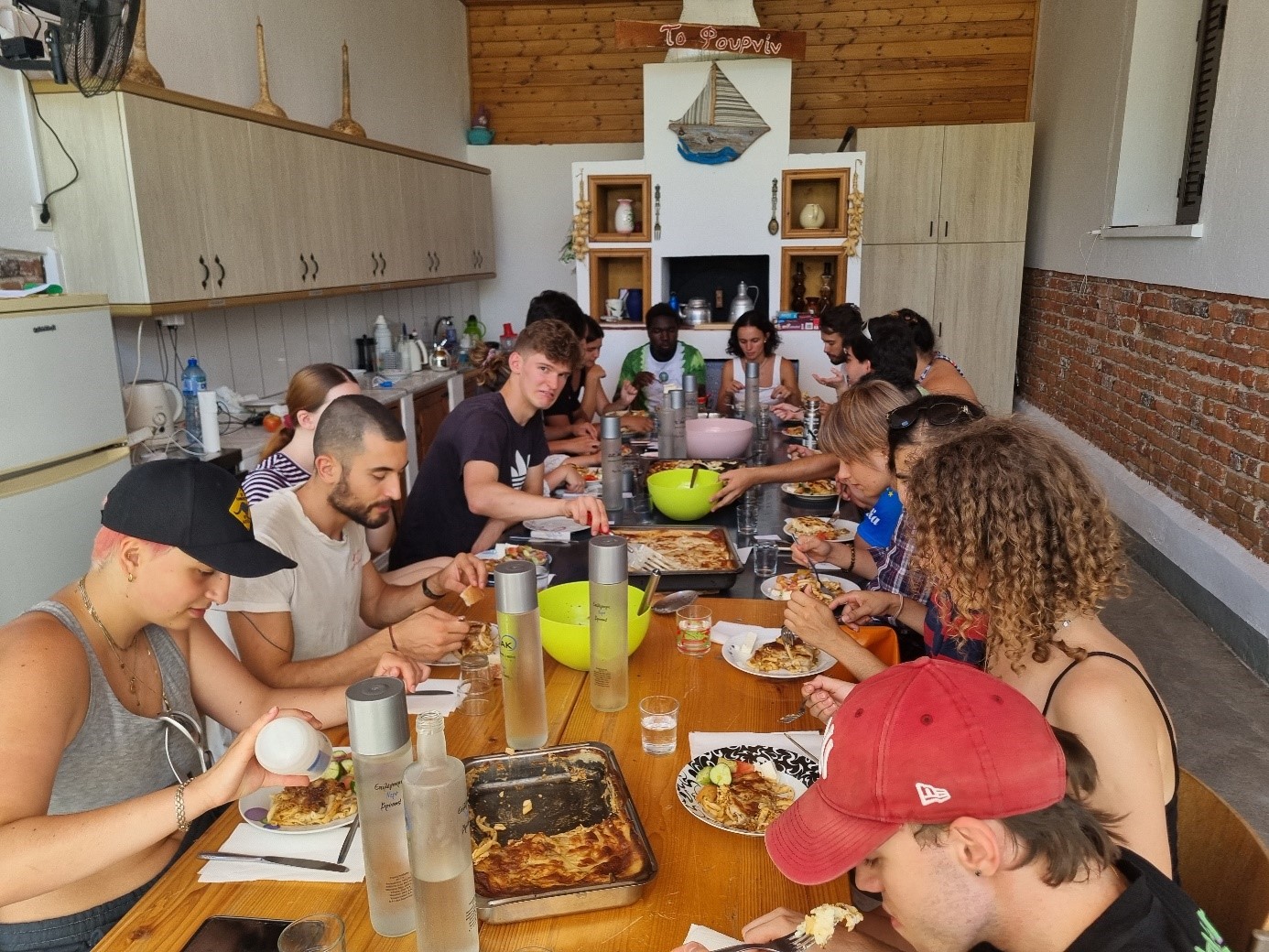
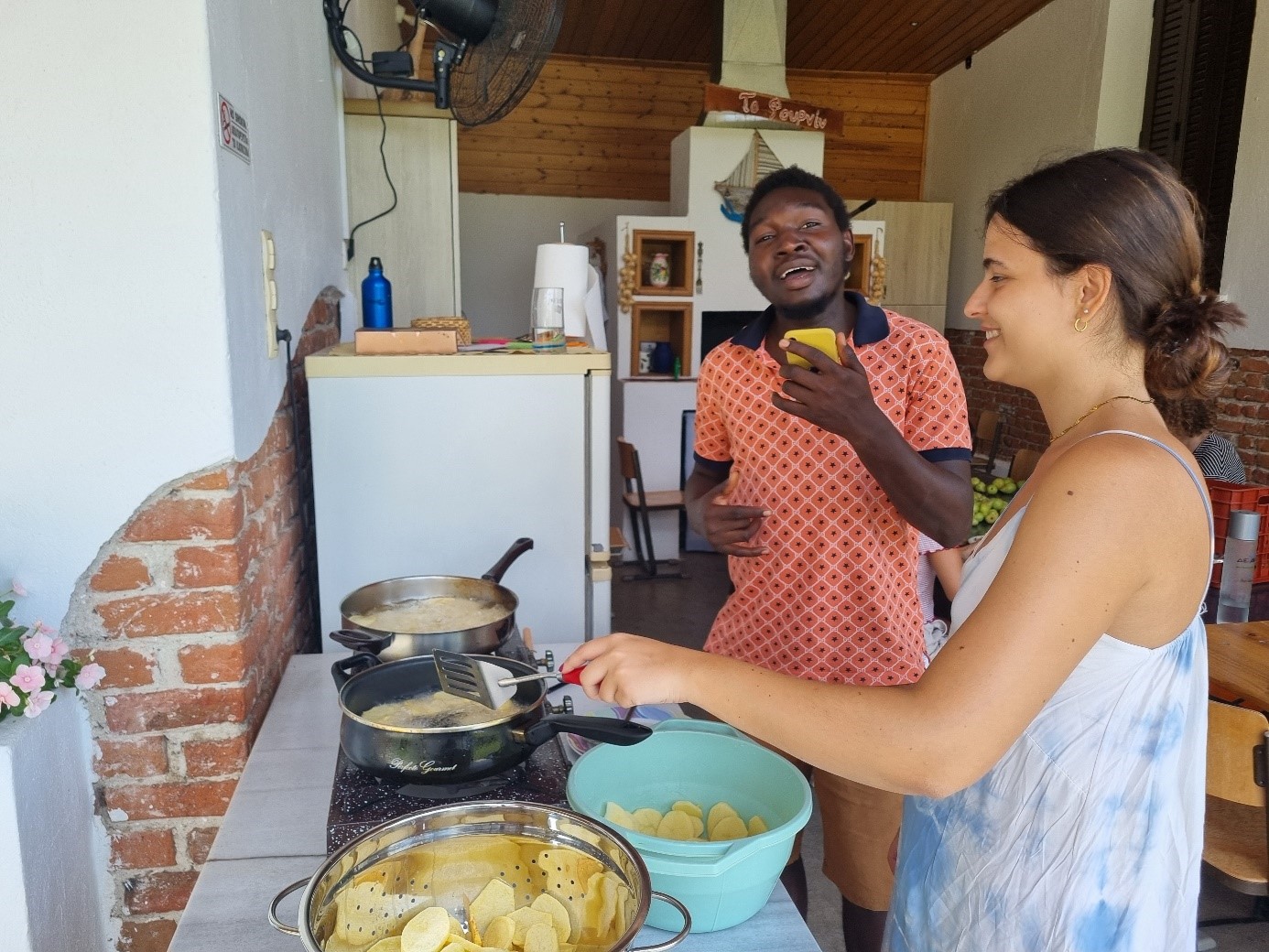
Outside, there is our well-equipped kitchen, "Fournin," complete with a stone oven and a large dining table, serving as the heart of the living community. This kitchen is the designated area for all cooking activities, fostering the living community sense.
From Monday to Sunday, participants will enjoy a variety of delicious meals during their stay prepared by the organization.
To start each morning, breakfast is served buffet-style, offering a range of options such as coffee, cereal, bread, fruits, and more.
For lunch and dinner, a rotating meal plan featuring typical local cuisine is followed, including fish, meat and salads. These meals are prepared on-site by Kapnikos Stathmos Katerini, ensuring their quality and taste while also giving flexibility to adapt to any special dietary needs if necessary.
What happens if I get sick or injured?
If a participant falls ill or any other emergency arises, support is always available. KSK staff, the coordinator and the mentor are always accessible and nearby to contact.
Furthermore, our organization has a network of trained and experienced healthcare professionals on standby to provide assistance when necessary.
I arrived at the airport Thessaloniki. What do I do now?
The journey to KSK from the airport is quite straightforward using public transportation.
Right in front of the airport, there's a bus stop for the X1 Bus, which departs every 20 minutes (please refer to the schedule [https://www.skg-airport.gr/en/category-detailed/ctg_id-37/nd_id-425]). Tickets can be conveniently purchased at the counter or inside of the bus. Travelers take the X1 bus until it reaches the very final stop, known as the “KTEL Makedonia," easily recognizable by its distinctive giant dome building.
Upon arriving at the "Bus station (KTEL) Makedonia," find the "Pieria" Counter, situated to the right from the entrance. Here, tickets to Katerini, costing approximately 7€, can be obtained (more details available [https://ktelpierias.gr/en/thessaloniki-2/]).
The KTEL Bus will transport passengers directly to the KTEL station in Katerini, where the KSK team will be waiting to offer assistance and a warm welcome.
